
GWO Certification for Rope Access: Your Ticket to Wind Energy
Complete guide to GWO certification for rope access technicians. What it is, what it costs, how to get it, and why it opens doors to the growing offshore wind sector.
Offshore wind is booming. Europe alone has billions invested in new installations, and the sector needs rope access technicians to maintain them.
But here's the thing: IRATA alone won't get you onto a wind turbine. You need GWO certification.
This guide covers everything rope access technicians need to know about GWO — what the modules are, what they cost, and how to use them to access the wind energy sector.
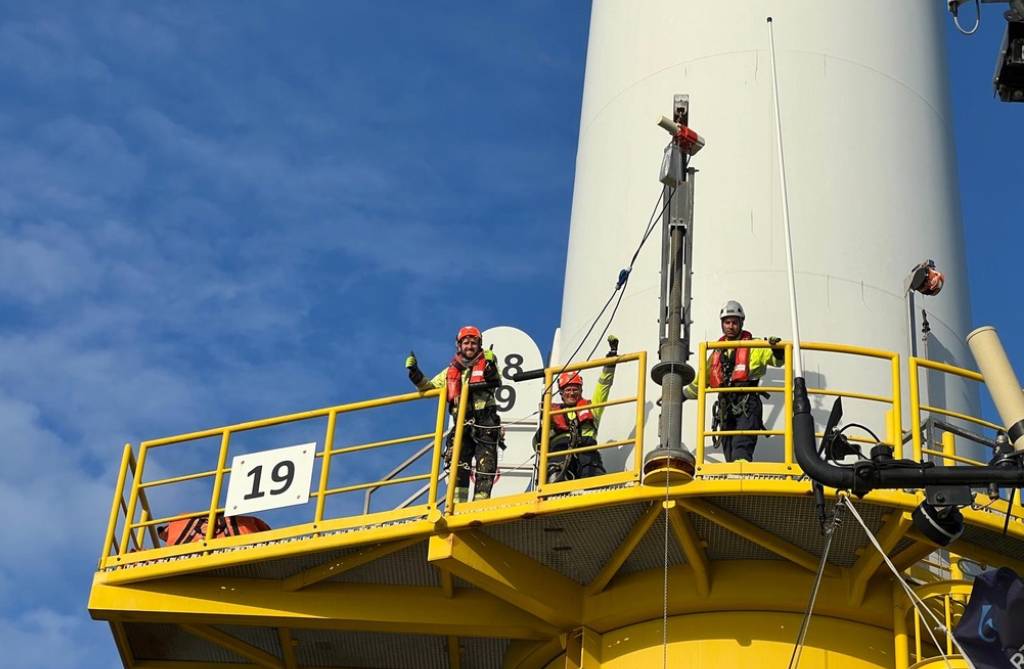
What is GWO?
GWO stands for Global Wind Organisation. It's an industry body that sets safety training standards for the wind energy sector.
When a wind farm operator says "must be GWO certified," they mean you've completed standardized safety training recognized across the global wind industry.
Why GWO Exists:
The wind sector needed consistent safety standards. Before GWO, different operators had different requirements. GWO created a common framework that:
- Standardizes training across the industry
- Ensures all technicians meet baseline safety competencies
- Allows technicians to move between employers without retraining
- Reduces accidents through better preparation
For rope access technicians, GWO certification is the entry ticket to wind energy work — both offshore and onshore.
GWO Modules: What You Need
GWO training is modular. Different work requires different modules. Here's what rope access technicians typically need:
Basic Safety Training (BST)
The core package. Most wind work requires all five modules:
- Fall protection
- Climb techniques
- Rescue procedures
- PPE usage
Duration: 2 days Validity: 2 years
- CPR and AED
- Wound management
- Emergency response
- Illness recognition
Duration: 2 days Validity: 2 years
- Fire behavior
- Extinguisher use
- Evacuation procedures
- Turbine-specific fire risks
Duration: 0.5 days Validity: 2 years
- Safe lifting techniques
- Ergonomics
- Injury prevention
Duration: 0.5 days Validity: 4 years
- Survival at sea
- Helicopter procedures
- Vessel transfer
- Cold water survival
Duration: 1 day Validity: 4 years
Total Duration: About 5-6 days if done as a package Total Cost: €1,500-2,500 depending on training center and location
Basic Technical Training (BTT)
Additional modules for technicians doing specific work:
- Mechanical systems in turbines
- Tool usage
- Component handling
- Electrical safety
- Working near electrical systems
- Lockout/tagout procedures
- Hydraulic systems
- Pressure safety
- Component maintenance
Duration varies. Most rope access technicians focus on BST first and add BTT modules as needed for specific roles.
Enhanced Rescue Training
Beyond basic training, many clients now require advanced rescue capabilities:
- Rescue from nacelle and hub
- Stretcher operations
- Complex rescue scenarios
- Rope rescue specific to blade work
- Multi-person rescue
- Advanced scenarios
These are increasingly required for technicians working at height on turbines. If you're serious about wind work, plan to get them.
Refresher Training
GWO modules expire. Before expiry, you need refresher training (shorter than initial training) to stay current:
| Module | Initial Duration | Refresher Duration | Validity |
|---|---|---|---|
| Working at Heights | 2 days | 1 day | 2 years |
| First Aid | 2 days | 1 day | 2 years |
| Fire Awareness | 0.5 days | 0.5 days | 2 years |
| Manual Handling | 0.5 days | 0.5 days | 4 years |
| Sea Survival | 1 day | 0.5 days | 4 years |
Calendar these expiry dates. An expired GWO module means you can't work until it's renewed.
GWO + IRATA: The Winning Combination
For rope access technicians, GWO and IRATA work together:
- Rope access skills and certification
- Access to general rope access work
- The technical ability to work at height on ropes
- Entry to the wind energy sector specifically
- Wind industry safety standards
- Credibility with wind sector employers
Together they mean:
You can access difficult positions on wind turbines using rope techniques, while meeting the wind industry's safety training requirements.
- Wind turbines have complex structures that benefit from rope access
- Many positions on blades and towers need rope technicians
- Blade inspection and repair specifically requires rope access
- The combination of skills is in demand
The Wind Energy Market for Rope Access
Understanding the market helps you decide if GWO investment makes sense.
What Rope Access Technicians Do in Wind
- Visual inspection
- NDT testing
- Damage assessment
- Drone support
- Surface repair
- Leading edge protection
- Erosion repair
- Lightning damage repair
- Coating and painting
- Corrosion treatment
- Maintenance access
- Inspection work
- Access inside blades
- Work in confined spaces
- Equipment positioning
Where the Work Is
- North Sea (Netherlands, UK, Germany, Denmark)
- Baltic Sea (Germany, Denmark, Poland)
- Irish Sea (UK, Ireland)
- USA (East Coast development starting)
- Asia (Taiwan, Japan, South Korea)
- Australia (early development)
Europe is currently the biggest market by far. If you're based in or near Europe, GWO certification makes strong sense.
Day Rates in Wind
Wind energy rope access pays well:
| Level | Typical Day Rate |
|---|---|
| Level 1 | €280-350 |
| Level 2 | €350-450 |
| Level 3 | €450-550 |
Add blade repair specialization and rates go higher (€400-500 for experienced blade repair technicians).
Should You Get GWO Certified?
Consider these factors:
- You want to work in offshore wind
- You're based in or near Europe (biggest market)
- You're interested in blade work
- You want to expand your offshore options
- You're looking for a growth sector
- You're focused on oil and gas exclusively
- You're far from wind energy markets with no plans to relocate
- You're still building basic IRATA hours
- Your cash flow is tight (IRATA first, GWO when you can afford it)
The Investment Math:
GWO BST: €2,000 Refreshers every 2 years: €800-1,000 Additional modules over time: variable
If you work 20 days in wind at €350/day = €7,000 gross. The certification pays for itself quickly if you find wind work.
How to Get GWO Certified
Finding Training Centers
GWO maintains a list of approved training providers on their website. Look for:
- Centers in or near your location
- Package deals for all BST modules
- Good reviews from past students
- Flexible scheduling
- Combination packages (some centers offer GWO + IRATA together)
Timing Your Training
Option 1: Get GWO early If you know you want wind work, get GWO certified alongside or soon after IRATA. You'll have both when opportunities arise.
Option 2: Get GWO when targeting wind specifically If you're building IRATA hours first or aren't sure about wind, wait until you're ready to target that sector.
Option 3: Get modules progressively Some technicians get Working at Heights and Sea Survival first (most frequently checked for offshore), then add other modules as needed.
What to Expect During Training
GWO training is practical and hands-on:
- Climbing training structures
- Rescue practice
- Harness and equipment usage
- Scenarios simulating turbine access
- Pool-based survival exercises
- Helicopter escape simulators (at some centers)
- Life raft practice
- Cold water procedures
- CPR practice on mannequins
- Scenario-based training
- AED usage
- Wound care practice
Pass rates are high if you pay attention and participate. It's training, not academic examination.
GWO and BOSIET: Do You Need Both?
Common question for offshore work: if you have BOSIET, do you need GWO Sea Survival (and vice versa)?
The Answer: They're different certifications for different sectors.
- BOSIET — Oil and gas offshore standard
- GWO Sea Survival — Wind energy standard
Some content overlaps, but they're issued by different bodies for different industries. Many offshore workers have both.
Practical Guidance:
- Oil and gas work → BOSIET required
- Wind energy work → GWO Sea Survival required
- Both sectors → Get both
Some training centers offer combination courses that cover requirements efficiently.
Building Your Wind Energy Profile
Beyond certification, here's how to position yourself for wind work:
Highlight Relevant Skills
- Blade repair experience
- Coating and painting
- NDT (especially for inspection)
- Fiberglass/composite experience
- Attention to detail for inspection work
If you have these, emphasize them.
Make Yourself Discoverable
Employers searching for wind technicians need to find you.
- Your IRATA level
- All GWO modules with expiry dates
- Any blade or wind experience
- Your availability and location
When someone searches "Level 2 with GWO, North Sea availability" — you want to show up.
Target Wind Companies
- Turbine OEMs (service divisions)
- Specialized blade repair companies
- Wind farm maintenance contractors
- Rope access companies with wind contracts
Apply directly with your GWO and IRATA credentials highlighted.
Consider Blade Repair Training
For technicians serious about wind, specialized blade repair training adds significant value:
- Composite repair certification
- Leading edge protection application
- Coating systems for blades
This is the premium skill set in wind rope access. Day rates for qualified blade repair technicians can reach €450-500.
Tracking Your GWO Certifications
GWO uses a central database called WINDA (Wind Industry Database). Your training records are stored there.
Key Points:
- Your training center uploads your records after you complete training
- You can access your records and verify what's current
- Employers can verify your certifications
- Expiry dates are tracked centrally
Keep your WINDA profile updated and know your expiry dates.
Summary: GWO for Rope Access Technicians
What GWO Is: Standardized safety training for the wind energy sector.
What You Need: Basic Safety Training (5 modules) as a minimum. Enhanced rescue training increasingly expected.
What It Costs: €1,500-2,500 for initial BST. Budget for refreshers every 2 years.
Why It Matters: Wind energy is a growth sector paying good day rates. GWO is the entry ticket.
How to Use It: Combine GWO with IRATA, highlight wind-relevant skills, make yourself discoverable, target wind companies.
Ready to Enter Wind Energy?
If wind work is your goal:
- Get GWO certified (BST modules)
- Add your GWO certifications to your Rope Access Network profile
- Target companies active in offshore and onshore wind
- Consider blade repair training for premium rates
The wind sector is growing. Technicians who position themselves now will benefit for years to come.
Questions about GWO or wind energy work? Reach out — we're happy to point you in the right direction.
Ready to Start Your Rope Access Career?
Join thousands of certified technicians on Rope Access Network. Create your professional profile, showcase your certifications, and connect with leading companies in the industry.