
How to Become a Rope Access Technician: Complete Career Guide
Everything you need to know about becoming a rope access technician — from certification costs and training to landing your first job. A practical guide from industry insiders.
So you've seen rope access technicians hanging off skyscrapers, wind turbines, or offshore platforms and thought: "I could do that." Good news — you probably can. And the career that comes with it? Flexible, well-paid, and genuinely exciting.
But let's be real. Getting into rope access isn't as simple as buying a harness and showing up. There's a clear path to follow, money to invest, and some grit required to break through. This guide walks you through exactly how it works — no fluff, just the practical steps to get you climbing.
What Does a Rope Access Technician Actually Do?
Rope access is a method of working at height using ropes and specialist equipment instead of scaffolding, cherry pickers, or cranes. It's faster, cheaper, and often the only practical option for hard-to-reach locations.
As a rope access technician, you might find yourself:
- Inspecting bridge cables or wind turbines
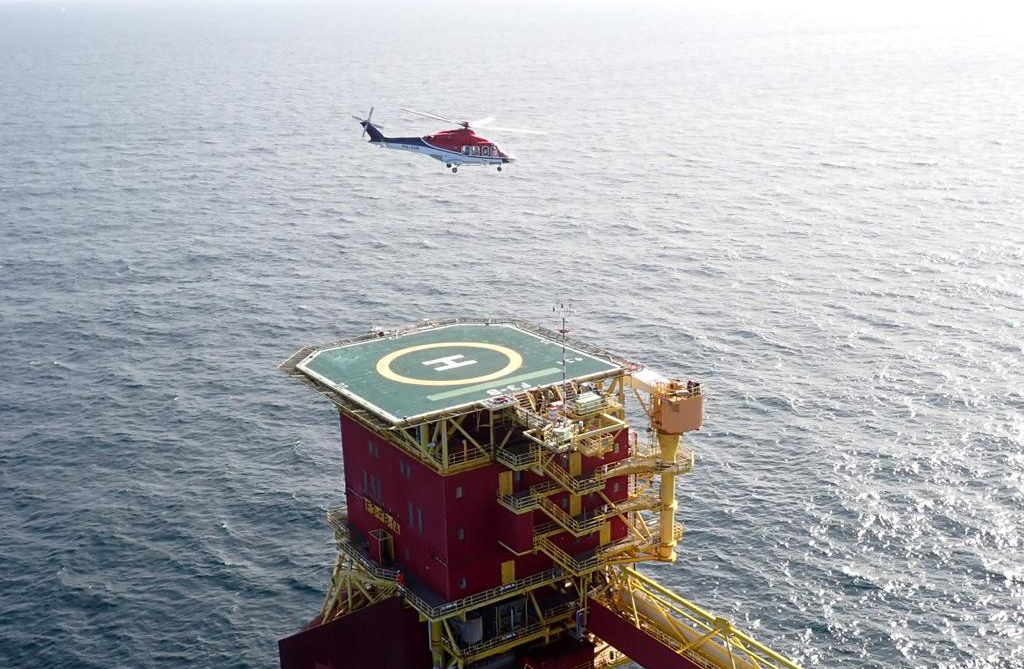
- Painting offshore oil platforms
- Installing façade panels on high-rise buildings
- Cleaning glass on skyscrapers
- Welding at height on industrial structures
- Conducting NDT (Non-Destructive Testing) inspections
The work varies massively depending on your location, your additional skills, and whether you work onshore or offshore. That's part of what makes the career interesting — no two projects are quite the same.
The Two Main Certification Bodies: IRATA and SPRAT
Before you can work professionally, you need certification from one of two main bodies:
IRATA (Industrial Rope Access Trade Association) The dominant certification worldwide, especially in Europe, the Middle East, Asia, and Australia. If you're planning to work internationally, IRATA is usually your best bet.
SPRAT (Society of Professional Rope Access Technicians) More common in North America. If you're based in the US or Canada and plan to stay there, SPRAT makes sense. Some companies accept both, but regional preferences exist.
Both systems have three levels:
| Level | Experience Required | Role |
|---|---|---|
| Level 1 | None (entry point) | Supervised technician |
| Level 2 | 1,000+ logged hours | Independent technician |
| Level 3 | 3,000+ logged hours | Supervisor, can set up systems |
Most people start their career with IRATA Level 1 and progress from there.
Step 1: Get Your IRATA Level 1 Certification
The Level 1 course is your entry ticket. Here's what to expect:
Duration: 4-5 days of intensive training Cost: €1,500 - €2,500 depending on country and training center Prerequisites: Basic fitness, no fear of heights, minimum age 18 Assessment: Written exam + practical assessment
During the course, you'll learn:
- Rope access equipment and how to use it safely
- Ascending and descending techniques
- Basic rescue procedures
- Knot tying and anchor systems
- Working safely at height
The pass rate is around 90% for Level 1 — it's challenging but achievable if you pay attention and put in the effort during training.
Choosing a Training Center
Not all training centers are equal. Look for:
- IRATA-approved status (check their website)
- Good instructor-to-student ratios
- Modern equipment
- Positive reviews from past students
- Job placement support or industry connections
Spending a bit more on a reputable training center can pay off when you're looking for your first job. Some employers prefer candidates from specific schools.
Step 2: Build Your Supporting Certifications
Here's something many new technicians don't realize: IRATA Level 1 alone often isn't enough to get hired. Employers typically want to see additional safety certifications, especially for specific industries.
Common Certifications to Consider:
- BOSIET (Basic Offshore Safety Induction and Emergency Training)
- MIST (Minimum Industry Safety Training) — UK-specific
- GWO (Global Wind Organisation) — for wind energy work
- Offshore medical certificate
- First Aid certification
- Manual handling
- CSCS card (UK construction sites)
- VCA certificate (Netherlands/Belgium)
- NDT certifications (UT, MT, PT, VT) for inspection work
- Painting and coating qualifications
- Welding certifications
- Rigging qualifications
The more certifications you stack, the more doors open. But don't go overboard at the start — figure out which sector you want to work in first, then invest in the relevant certs.
Step 3: Get Your Equipment (Maybe)
This is where things get interesting. The rope access industry is split on equipment ownership.
Traditional Model: Company provides all equipment Emerging Model: Technicians bring their own gear (increasingly common in Netherlands, Scandinavia, parts of North America)
If you're working in the Netherlands, new employment legislation (effective January 2025) is pushing freelancers toward equipment ownership to maintain genuine contractor status. Owning your gear can also mean higher day rates — sometimes 15-25% more.
Basic Kit Costs (if buying your own):
| Item | Approximate Cost |
|---|---|
| Harness | €300-600 |
| Helmet | €80-150 |
| Descender | €150-300 |
| Ascenders | €200-400 |
| Ropes (2x 50m) | €300-500 |
| Backup device | €150-250 |
| Hardware (carabiners, slings, etc.) | €200-400 |
| **Total** | **€1,400-2,600** |
Not a small investment, but it pays back over time. For more on this debate, check out our piece on equipment ownership in the rope access industry.
Step 4: Land Your First Job
This is where many new technicians struggle. You've got your Level 1, maybe some extra certs, and you're ready to work. But how do you actually find jobs?
The Reality of the Job Market
Here's the truth: the rope access job market is fragmented. Many jobs circulate through:
- Private WhatsApp groups
- Personal networks and word-of-mouth
- Direct calls to companies
- Recruitment agencies (who take a significant cut)
For newcomers without connections, breaking in can feel like hitting a wall. That's exactly why we built Rope Access Network — to create a central place where technicians can be discovered by employers without needing existing industry contacts.
Practical Job-Hunting Strategies:
- Create a strong professional profile — Join Rope Access Network and fill out your complete profile including certifications, skills, and equipment ownership. When employers search for technicians, you want to show up.
- Target entry-level sectors — Your first jobs probably won't be on an offshore platform. Look for:
- Contact companies directly — Find rope access companies in your region and send a clear, professional message. Attach your CV and certification copies. Follow up after a week.
- Be flexible on location — Willing to travel? Say so. Many jobs require mobility, and technicians who can move quickly get more work.
- Consider an agency (temporarily) — Agencies take a cut, but they can get you started. Use them to build hours, then transition to direct work once you have experience.
What to Expect in Your First Year
Let's set realistic expectations.
Work Patterns
Rope access work is often project-based. You might work intensively for a few weeks, then have gaps between jobs. This is normal, especially at Level 1.
Offshore work typically involves rotation patterns: 2 weeks on, 2 weeks off — or similar. Onshore work is more varied.
Earnings
Day rates vary massively by region, level, and sector:
| Level | Onshore Day Rate | Offshore Day Rate |
|---|---|---|
| Level 1 | €150-250 | €250-350 |
| Level 2 | €200-350 | €300-450 |
| Level 3 | €300-500 | €400-600+ |
These are rough guides — actual rates depend on location, project type, and your additional skills. Technicians with trade skills (welding, NDT, painting) typically earn more than those doing general rigging work.
Building Hours
Your main goal in year one: log hours. You need 1,000 hours to qualify for Level 2 (assuming at least 12 months have passed since Level 1). Keep your logbook updated meticulously — every hour counts.
Common Mistakes New Technicians Make
Learn from others so you don't have to learn the hard way:
Underestimating the job hunt Getting certified is the easy part. Finding consistent work takes hustle, especially early on. Be proactive, not passive.
Skipping supporting certifications "I'll just get my IRATA and see what happens" — this approach limits your options. Research what certs are needed for your target sector and get them early.
Poor networking This industry runs on relationships. Be professional on every job. Be someone people want to work with again. Your reputation builds faster than you think.
Not tracking hours properly Your logbook is your career passport. Update it after every job. Get supervisor signatures. Don't let hours slip through the cracks.
Expecting too much too soon Level 1 work can be unglamorous — cleaning, painting, basic support tasks. That's normal. The interesting work comes with experience and progression.
Is Rope Access Right for You?
This career isn't for everyone. It suits people who:
- Enjoy physical work and don't mind heights
- Like variety and don't want a desk job
- Are comfortable with travel and irregular schedules
- Value independence and flexibility
- Are proactive about finding work (especially as freelancers)
It might not suit you if:
- You need a stable 9-5 routine
- You can't handle heights or confined spaces
- You're not willing to invest in training and certifications
- You prefer predictable, location-fixed work
Ready to Get Started?
The path is clear: get certified, stack relevant qualifications, build your network, and be persistent about finding work. The rope access industry rewards those who show up prepared and professional.
Your first step? Create a free profile on Rope Access Network. Build your professional presence, showcase your certifications, and get yourself in front of employers looking for technicians worldwide.
We're building the network the industry needs — one technician at a time. Climb in with us.
Have questions about getting started? Drop us a message. We're rope access professionals too, and we're happy to help you figure out your next step.
Ready to Start Your Rope Access Career?
Join thousands of certified technicians on Rope Access Network. Create your professional profile, showcase your certifications, and connect with leading companies in the industry.