
Rope Access Jobs in the Netherlands & Europe: The 2025 Market
Guide to finding rope access work in the Netherlands and across Europe. Day rates, market trends, ZZP considerations, and where the opportunities are in 2025.
The European rope access market is active, diverse, and — if you know how to navigate it — full of opportunity.
The Netherlands sits at the heart of this market: a hub for offshore wind, strong freelance (ZZP) culture, and excellent access to projects across the continent. Whether you're based in Europe or considering working there, this guide breaks down what you need to know.
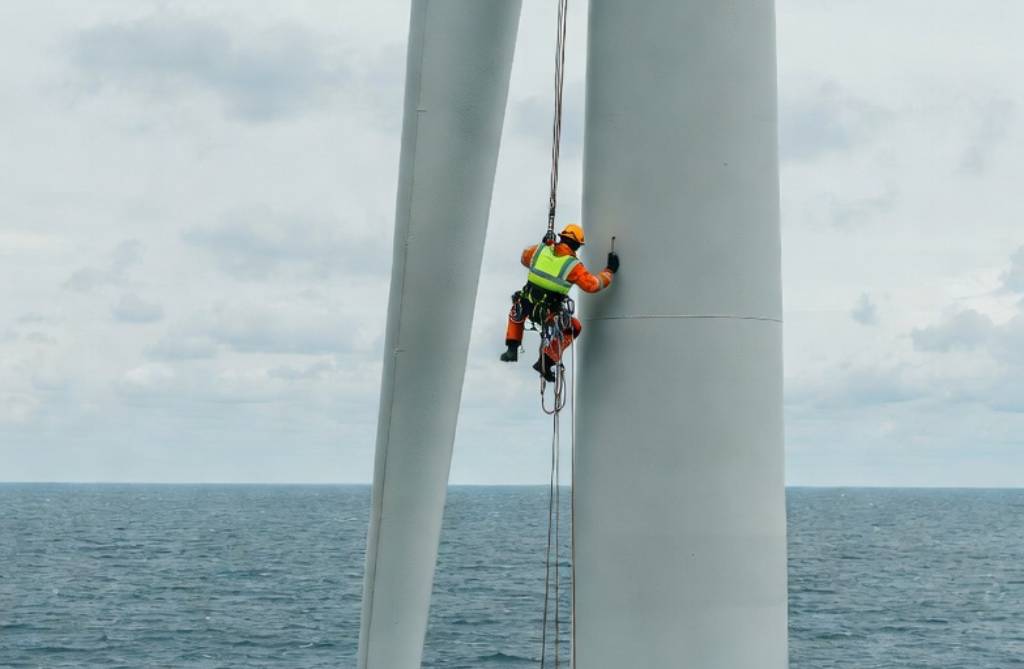
The European Market Landscape
Europe isn't one market — it's many, each with its own characteristics. Here's the overview:
Major Markets
- Strong freelance/ZZP culture
- Offshore wind hub
- Industrial maintenance
- Major port infrastructure (Rotterdam)
- Industrial and petrochemical (Antwerp)
- Often combined with Netherlands for work
- Similar regulatory framework
- Growing offshore wind sector
- Industrial maintenance
- Construction projects
- Highest day rates in Europe
- Offshore oil and gas
- Strict requirements, premium pay
- Offshore wind pioneer
- Strong regulatory environment
- Hub for North Sea wind projects
- Industrial maintenance
- Nuclear sector work
- Growing wind energy
- More seasonal
- Industrial and energy projects
- Often lower rates than Northern Europe
What Makes Europe Different
Compared to markets like the Middle East or Australia, Europe offers:
- Strong worker protections
- Generally high safety standards
- Established freelance frameworks (especially Netherlands)
- Good infrastructure and travel connections
- Visa-free movement (for EU citizens)
For non-EU citizens, right to work requirements matter — check before planning a move.
Focus: The Netherlands
The Netherlands deserves special attention. It's a uniquely strong market for rope access professionals.
Why the Netherlands Works Well
ZZP Culture
"ZZP" (zelfstandige zonder personeel) means self-employed without employees — freelancer, essentially. The Netherlands has one of the strongest freelance cultures in Europe, with infrastructure to support it:
- Well-established legal framework
- Business-friendly setup process
- Culture that accepts and expects freelance workers
- Strong network of ZZP technicians in rope access
Strategic Location
- Belgium (shared language in Flanders, close industries)
- Germany (short travel distances)
- UK (offshore connections)
- Scandinavia (ferry/flight access)
This makes Netherlands-based technicians highly mobile across European projects.
Port of Rotterdam
One of the world's largest ports means constant industrial activity: maintenance, inspections, installations. Steady work for rope access.
Offshore Wind Hub
The Dutch North Sea has major wind installations, with more planned. Companies operating here often use Netherlands as a base.
Dutch Day Rates
| Level | Typical Day Rate | With Equipment |
|---|---|---|
| Level 1 | €180-230 | €200-260 |
| Level 2 | €250-320 | €290-380 |
| Level 3 | €350-420 | €400-500 |
Rates for technicians who bring their own equipment are noticeably higher (15-25% premium). More on this below.
ZZP Legislation Changes (2025)
Important for anyone working in the Netherlands:
The Dutch government has been tightening rules around freelance work to prevent "false self-employment" — situations where someone is technically freelance but effectively works like an employee.
What This Means:
- Multiple clients
- Own equipment
- Control over how you work
- Genuine business risk
The practical effect: many Dutch rope access clients now expect technicians to bring their own gear. This affects how you're classified and can affect your rates and working arrangements.
For more on this, read our piece on the equipment ownership debate.
Setting Up as ZZP in the Netherlands
If you're considering basing yourself in the Netherlands:
- Register with KvK (Chamber of Commerce)
- Get a BSN (citizen service number) if resident
- Set up business bank account
- Arrange bookkeeping/accounting
- Consider BTW (VAT) registration
- Arrange appropriate insurance
The process is straightforward compared to many countries. Many technicians do it within a few weeks.
Practical Reality:
You don't need to be Dutch to work as ZZP in the Netherlands. EU citizens can set up freely. Non-EU citizens need appropriate visa status first.
Offshore Wind: Europe's Growth Sector
If there's one sector driving rope access demand in Europe, it's offshore wind.
Why Wind Matters
Europe leads the world in offshore wind development. The North Sea alone has massive installations, with billions in new investment planned. Key areas:
- Dutch North Sea — Major existing and planned wind farms
- German North Sea/Baltic — Growing rapidly
- Danish waters — Pioneer market, continued expansion
- UK waters — Huge development pipeline
- Belgian coast — Active installations
What Wind Work Involves
Rope access technicians on wind turbines handle:
- Blade inspection and repair
- Tower maintenance
- Transition piece work
- Cable and electrical access
- Painting and coating
It's technical, sometimes physically demanding, and requires specific certifications.
GWO Certification
For wind work in Europe, GWO (Global Wind Organisation) certification is required. The Basic Safety Training includes:
- Working at Heights
- First Aid
- Fire Awareness
- Sea Survival (for offshore)
- Manual Handling
- Hub rescue certification
- Advanced rescue training
- Blade repair qualifications (for blade technicians)
If you're targeting wind energy, budget for these certifications. They're an investment, but they open doors to a growth sector.
Day Rates in Offshore Wind
Wind work generally pays well:
| Level | Typical Day Rate (Offshore Wind) |
|---|---|
| Level 1 | €280-350 |
| Level 2 | €350-450 |
| Level 3 | €450-550 |
Add blade repair or specific trade skills and rates climb higher.
Working Across European Borders
One advantage of Europe: mobility. Here's how cross-border work typically happens:
For EU Citizens
- Right to work anywhere in the EU/EEA
- No work permits needed
- Can register as self-employed in most countries
- Relatively simple tax arrangements (though varies by country)
Practical Considerations:
- Tax residency matters — understand where you're liable
- A1 certificates can simplify social security across borders
- Keep good records of where you work
For Non-EU Citizens
More complex:
- Need visa/work permit for each country
- Some countries easier than others
- Employer sponsorship often required
- Posted worker rules may apply
If you're from outside the EU and want to work in Europe, research the specific requirements for your target country. The Netherlands is relatively accessible; Norway (not EU) has its own requirements.
Norway: A Special Case
Norway isn't in the EU but is in the EEA, so EU citizens can work there freely. It's worth highlighting because:
- Highest day rates in Europe
- Strong offshore oil and gas market
- Demanding conditions but excellent compensation
- Strict safety culture
Norwegian rates can be 30-50% higher than Netherlands or UK. The trade-off: tougher conditions, remoteness, and high cost of living if spending time there.
| Level | Norwegian Day Rate (Offshore) |
|---|---|
| Level 2 | €400-500 |
| Level 3 | €500-650+ |
For experienced technicians, Norwegian offshore work is worth considering.
Finding Work in Europe
The European job market works through several channels:
Direct Client Relationships
Building direct relationships with companies in your target markets is the best long-term approach:
- Higher rates (no agency cut)
- Repeat work opportunities
- More control over your schedule
Takes time to build, but worth the investment.
Agencies and Staffing Companies
European staffing agencies handle significant volume of rope access work:
- Useful for accessing larger contracts
- Handle admin and payroll
- Good for getting started
- Less rate negotiation power
Some agencies specialize in offshore wind, others in industrial maintenance. Ask around for recommendations in your target sector.
Networking
Like everywhere, relationships matter:
- Industry events and trade shows
- Connections from previous jobs
- Training center alumni networks
- Online professional platforms
Professional Platforms
Make yourself discoverable:
- Create your profile on Rope Access Network — show your certifications, equipment, and availability
- Optimize LinkedIn for rope access keywords
- Join relevant industry groups
Employers searching for European technicians will find you if you're visible.
Building Your European Career
Starting Out
If you're new to the European market:
- Pick a base — Netherlands is strong; wherever you choose, establish properly
- Get certified appropriately — IRATA plus relevant supporting certs for your sector
- Stack GWO if targeting wind — Essential for the growth sector
- Consider equipment ownership — Especially if Netherlands-based
- Build your network — Every job is an opportunity
Progressing
Once established:
- Progress through IRATA levels
- Add trade skills (welding, NDT, blade repair)
- Build direct client relationships
- Consider specializing in a sector
- Stay flexible across borders
Practical Setup Advice
- Business account with a bank that handles European transactions well
- Accounting support (especially for cross-border work)
- Appropriate insurance (liability, potentially travel)
- Good equipment if owning your own (quality matters)
- Certification tracking (keep everything current)
Summary: Europe in 2025
Europe offers:
- Strong and growing demand (especially wind energy)
- Professional freelance frameworks (especially Netherlands)
- Good rates (particularly Norway, offshore wind)
- Mobility across countries (for EU citizens)
- Mature, safety-focused industry
The technicians doing well are those who:
- Stack certifications strategically
- Build direct relationships over time
- Stay flexible and mobile
- Keep their profiles visible
- Invest in their equipment and skills
Your Next Step:
If you're targeting the European market, start by making yourself discoverable.
Join Rope Access Network — build your professional profile, list your certifications and equipment, and connect with opportunities across Europe.
We're building the network the industry needs. Come be part of it.
Questions about working in Europe or setting up in the Netherlands? We're here to help.
Ready to Start Your Rope Access Career?
Join thousands of certified technicians on Rope Access Network. Create your professional profile, showcase your certifications, and connect with leading companies in the industry.